The Heart of the Lab: Inside our State-of-the-Art Exposure Booth

Quick Facts
-
APEL has evolved over the 18 years since its 2007 CFI-funded inception to a 3500 sq foot facility widely considered world-leading in science and impact, particularly focused on controlled human exposures.
Exposure Capabilities
- Traffic-related Air Pollution
- Wood Smoke
- Secondary Organics
- Ozone
- Aeroallergens
- Microplastics
- Plicatic Acid
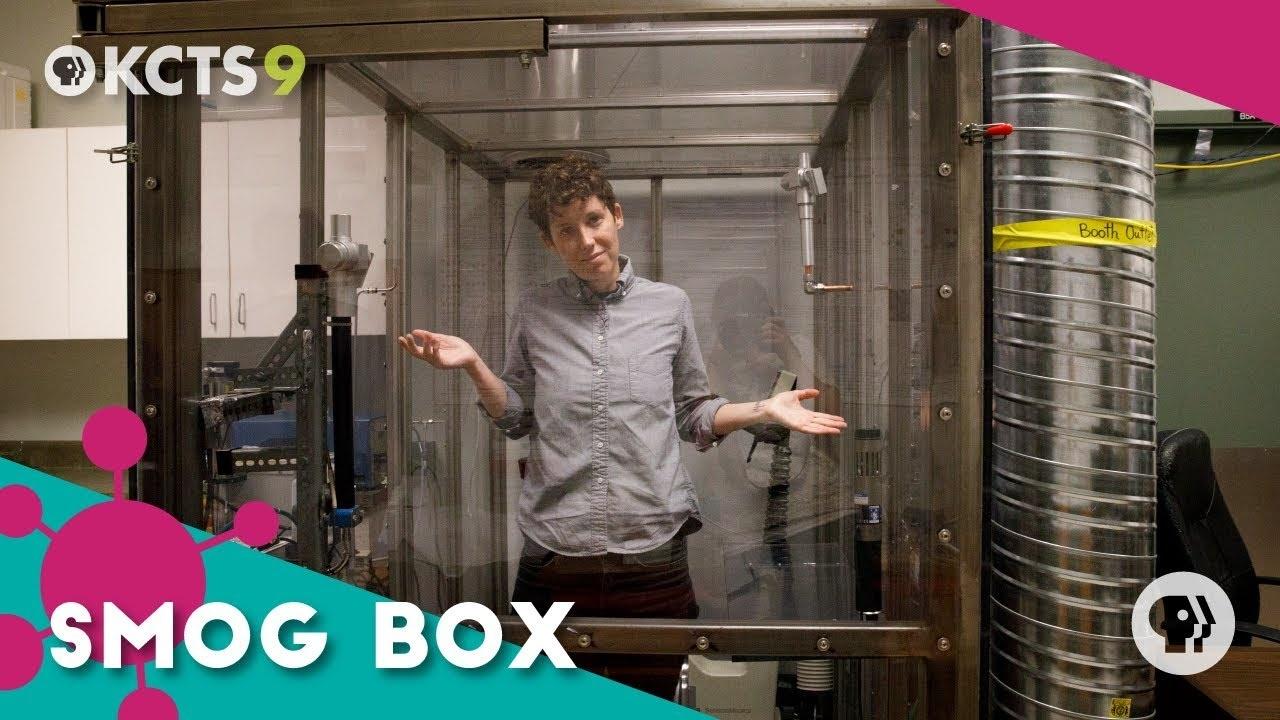
At the center of our research lab sits a state-of-the-art exposure booth built in response to growing public concern about air quality and its impact on human health.
That question has only grown more pressing over time. Communities worldwide are demanding better answers about how air quality affects their health, and governments and non-profit organizations have pushed for stronger scientific evidence to guide policy. The APEL exposure booth was built to meet that need, offering the precision and control that lets researchers study airborne exposures in ways that are simply not possible in the open environment or with in vitro work.
Over the past two decades, the APEL booth has become the most productive controlled human exposure facility of its kind in the world, leading in research grants, scientific publications, and in training the next generation of environmental health scientists. Recent regulatory changes in the United States have shut down comparable facilities there, which has only heightened the global significance of our work. Put plainly, there is no other facility like this currently operating anywhere in the world.
What makes the booth truly unique is its unparalleled capability to recreate real-world air pollution exposures under tightly controlled conditions. Researchers can safely study diesel exhaust as a model of traffic-related air pollution, generate wood smoke as a model of wildfire smoke under different combustion conditions, and simulate aged pollution using ultraviolet-driven atmospheric chemistry to mimic how pollutants transform in the environment over time. APEL is also at the forefront of studying emerging contaminants, such as inhaled microplastics,an issue of rapidly growing concern in environmental and public health.
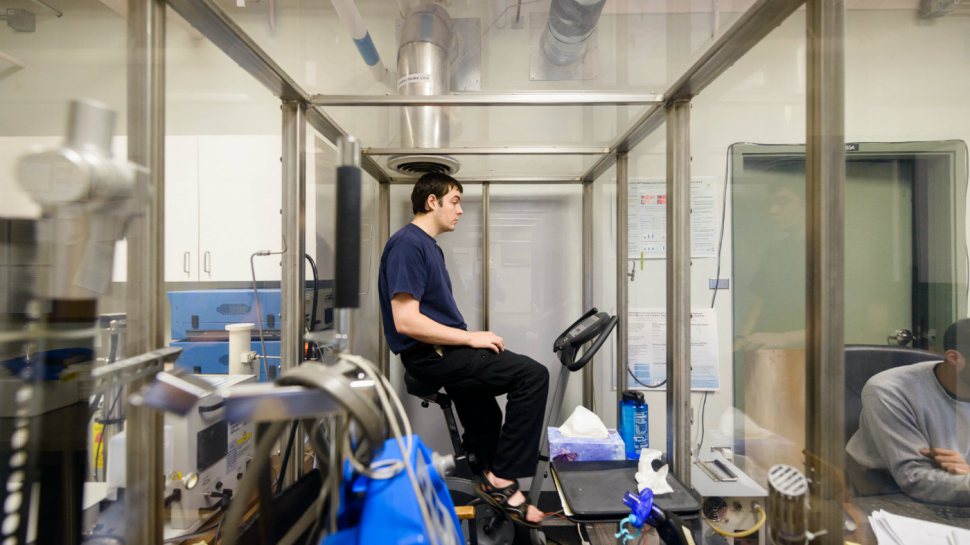
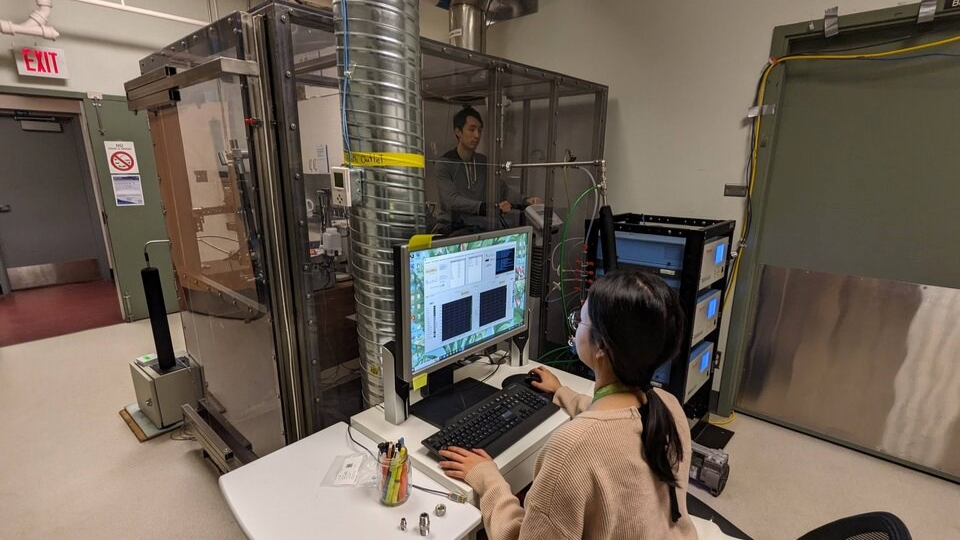
Achieving this level of precision requires a highly specialized and permanent infrastructure. The exposure booth operates through an integrated system of custom ducting, high-capacity fans, multi-stage filtration, and engineered combustion systems that generate and deliver controlled pollutants to participants. Every aspect of the air entering the booth can be measured, modified, and monitored. This complex system requires ongoing maintenance and calibration through coordinated efforts between the research team and hospital facilities staff. Unlike typical laboratory equipment, the infrastructure that powers the exposure booth is not modular and cannot be recreated in standard lab space.
Beyond its technical sophistication, the exposure booth is the cornerstone of our entire research program. All active projects across our three principal investigator groups depend directly on APEL’s continued operation. It is the starting point for nearly every scientific question we investigate, allowing us to recreate real-world exposures and observe how the human body responds under carefully controlled conditions.
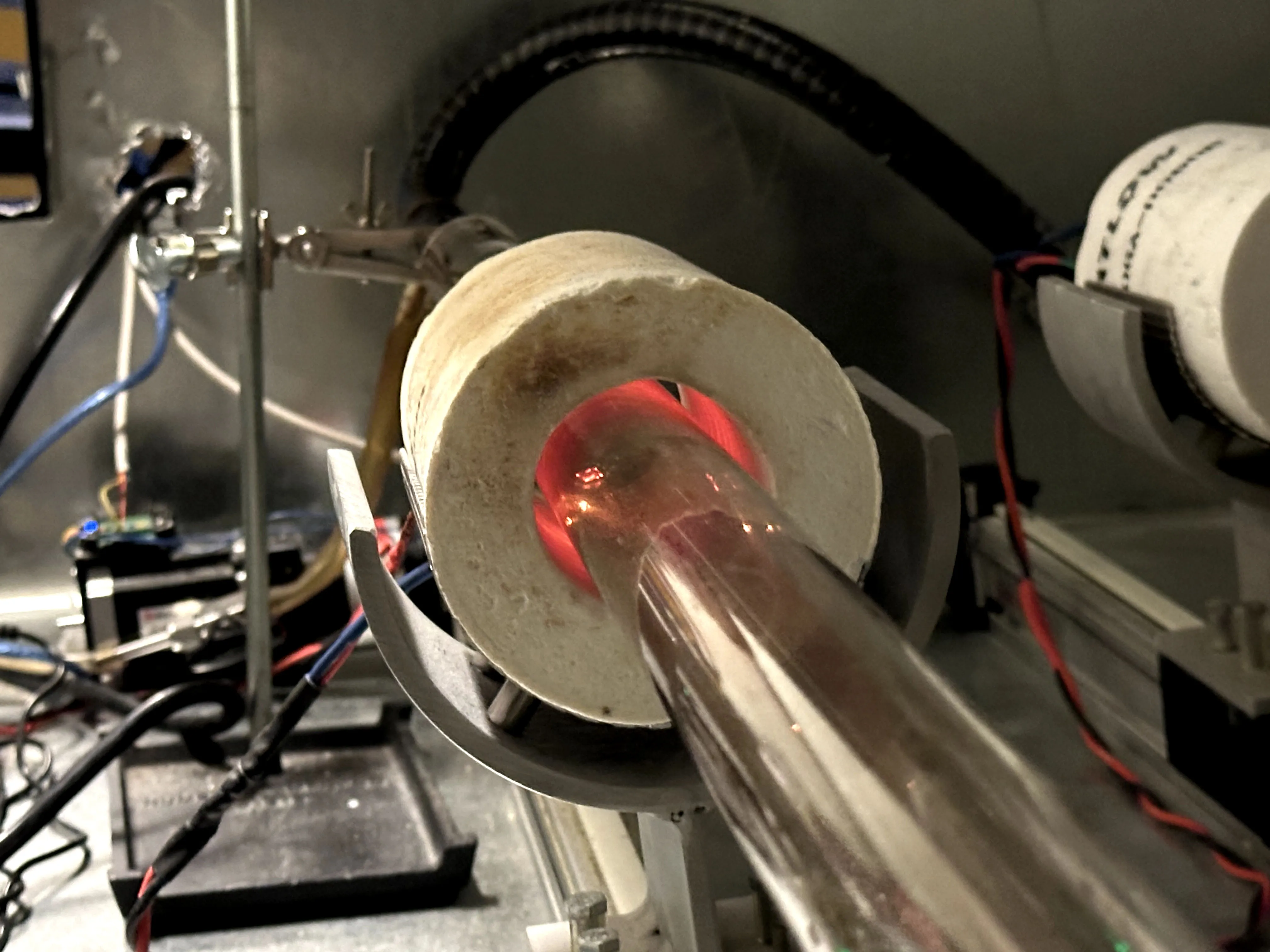
Critically, we are not just trying to understand the harm inflicted by air pollution exposures. A major thrust of our work is finding ways to prevent, treat, or otherwise reduce harm. Many of our studies are designed as randomized clinical trials testing whether antioxidants, anti-inflammatory therapies, or specific dietary strategies can blunt the health effects of air pollution. This reflects a core belief of our program: scientific discovery should go hand in hand with practical solutions that can help to protect the global public.
The facility continues to evolve as new environmental threats emerge and new research questions take shape. What remains constant is the booth's central role in making all this work possible.
For our team of scientists, trainees, and staff, the exposure booth is far more than a piece of equipment. It is the beating heart of our lab. This unique and irreplaceable facility allows us to understand how polluted air affects human health and to work toward solutions that can make the air we breathe safer for everyone.



 Log in with Google