AWAKE Study
AI-enabled Wearables in Key Sleep Events
- Age
- 19+ years old
- Location
- Vancouver, BC
- Subjects
- Obstructive Sleep Apnea (OSA) and Healthy Volunteers
- Time
- 2 in-person visits, with ~30 days of continuous at-home monitoring
Procedures
-
Informed Consent
-
Health and Sleep Questionnaires
-
Wear a Samsung Galaxy Watch continuously for ~30 days
-
Daily Sleep and Activity Diary
Obstructive sleep apnea (OSA) affects an estimated 1 billion people worldwide, yet it remains substantially underdiagnosed, particularly in rural and underserved communities where access to overnight sleep clinics is limited. At the same time, consumer wearable devices such as smartwatches can now track heart rate, blood oxygen levels, movement, and sleep patterns continuously and unobtrusively. The AWAKE study is investigating whether data from a Samsung Galaxy Watch, analyzed using artificial intelligence (AI) and combined with clinical sleep study results where available, can help identify and monitor OSA risk over time, bridging the gap between simple wearable screening and clinical-grade diagnosis.
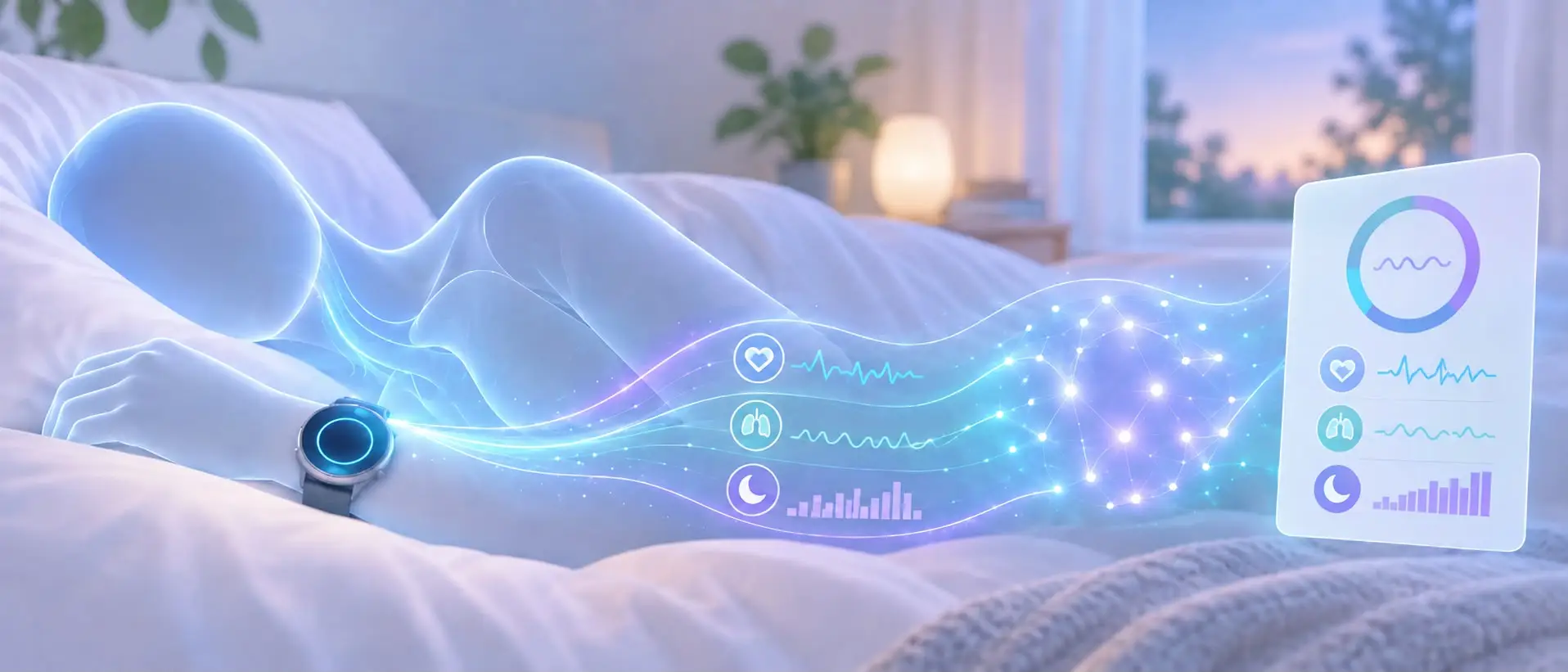
We are recruiting two groups: individuals who have been referred for, or completed, a diagnostic sleep study at the UBC Hospital Sleep Disorders Program, and healthy volunteers with no known or suspected sleep apnea. By comparing wearable-derived signals across these groups, we hope to build AI models that can detect OSA risk, distinguish between different OSA phenotypes, and generate clear, plain-language summaries for both patients and healthcare providers, ultimately supporting earlier detection and more personalized management of sleep apnea.
To take part, volunteers wear a Samsung Galaxy Watch continuously, day and night, for approximately 30 days, while completing a short daily diary and questionnaires about their sleep and health. Our research team sets up and pairs the watch for you: no personal smartphone or app is needed. Participants who have had, or will have, a clinical sleep study can consent to have that data linked with their wearable data. At the end of the monitoring period, participants return the device, and stored data is downloaded and de-identified for analysis.
 Log in with Google